What Other Wildlife Can You See While Whale Watching in Samaná?
Samaná Bay in the Dominican Republic is famous for its seasonal humpback whale watching, attracting travelers who want to observe these enormous marine mammals in their natural environment. However, the whales are not the only wildlife that can make a boat trip across the bay memorable.
The surrounding Caribbean waters and coastal habitats support a variety of marine animals and seabirds. Depending on the location, season, and conditions, visitors may have opportunities to spot dolphins, watch seabirds gliding above the water, or notice smaller signs of life on the ocean's surface.
Although humpback whales are the main attraction during whale-watching season, paying attention to the wider environment can make the excursion more rewarding. This guide explores the other wildlife you might encounter in Samaná Bay and explains how to observe it responsibly.
1. Dolphins: Another Marine Mammal to Watch For
Dolphins are among the marine animals travelers often hope to see when visiting the Caribbean. Their streamlined bodies, curved dorsal fins, and quick movements can make them exciting to observe from a boat.
Unlike humpback whales, which are known for their enormous size and dramatic surface behaviors, dolphins may appear as smaller animals moving quickly through the water. Depending on the circumstances, they may surface briefly, travel in groups, or disappear beneath the waves before passengers can get a clear look.
However, dolphin sightings are not guaranteed on a Samaná whale-watching excursion. The presence of humpback whales does not mean dolphins will be nearby, and the route taken by a boat may influence which animals passengers encounter.
If dolphins appear, enjoy watching them from a respectful distance. Avoid encouraging a boat operator to chase them, surround them, or interfere with their natural movements.
2. Seabirds Flying Above the Bay
Seabirds can add another dimension to a whale-watching trip. Look toward the sky, the coastline, and the water's surface rather than focusing exclusively on the area where whales might appear.
Depending on the location and conditions, visitors may notice pelicans, gulls, terns, or other coastal and marine birds. Some glide above the water, while others may circle an area or dive toward the surface to catch food.
Bird activity can be interesting to observe because it reveals another part of the marine environment. A bird searching for fish, for example, offers a glimpse into the food relationships that connect ocean animals.
Not every bird can be identified easily from a moving boat. If you enjoy birdwatching, bring a field guide or use a bird-identification resource after the excursion. Take photographs when practical, but avoid disturbing wildlife just to obtain a closer view.
3. Flying Fish: Small Animals With Surprising Movement
Flying fish are known for their ability to launch out of the water and glide above the ocean's surface. Their enlarged pectoral fins help them remain airborne briefly as they move away from the water.
For a passenger watching the sea from a boat, a flying fish may appear as a quick flash near the surface. The encounter can be easy to miss, particularly when the boat is moving or the water is choppy.
These fish are part of the wider marine food web, serving as prey for some larger ocean animals and seabirds. Their presence is a reminder that the ecosystem contains many forms of life beyond the large mammals that attract most visitors.
Seeing flying fish is not guaranteed during a whale-watching trip, but keeping an eye on the water around the boat may reveal occasional movement that would otherwise go unnoticed.
4. Fish and Other Signs of Marine Life
The ocean around Samaná supports marine food webs that include many species of fish and smaller organisms. Although passengers may not be able to identify individual species from a whale-watching boat, they may notice fish moving near the surface or seabirds feeding in a particular area.
The visibility of marine life depends on several factors, including water clarity, sunlight, sea conditions, and the depth at which animals are swimming.
Remember that a whale-watching boat is not an underwater viewing platform. You may see only a small part of the marine ecosystem beneath the surface, even when the water appears clear.
For travelers interested in marine biology, this is part of what makes the experience fascinating: the visible activity above the water is connected to a much larger ecosystem below it.
5. Sea Turtles: Possible but Not Guaranteed
Sea turtles are an important part of many tropical marine ecosystems. Depending on the species, they may spend time swimming through coastal waters, feeding, or traveling between different habitats.
However, seeing a sea turtle from a whale-watching boat in Samaná Bay should be treated as a possibility rather than an expected feature of the trip. Turtles may remain underwater for extended periods, and a boat route may not pass near one.
If you happen to see a turtle surfacing, observe it without attempting to touch, feed, or pursue it. Sea turtles face a range of environmental pressures, and responsible wildlife viewing means allowing them to continue their natural behavior.
If turtle sightings are an important part of your travel plans, research a suitable wildlife experience separately rather than assuming a whale-watching excursion will provide one.
6. Coastal Wildlife Along the Shoreline
The scenery around Samaná Bay includes coastal areas where land and marine environments meet. Depending on your route, you may notice birds resting near the shore, vegetation along the water's edge, or other signs of coastal wildlife.
These habitats matter because they provide food, shelter, and breeding areas for many organisms. Coastal ecosystems are connected to the health of nearby waters, making them an important part of the region's natural environment.
The specific animals visible from a boat will depend on the departure point, route, distance from shore, and local conditions. A trip focused on offshore whale watching may offer a very different wildlife experience from a coastal excursion.
If you want to explore the region's broader natural environment, ask a knowledgeable local guide about suitable land-based or coastal activities.
7. Humpback Whales Remain the Main Attraction
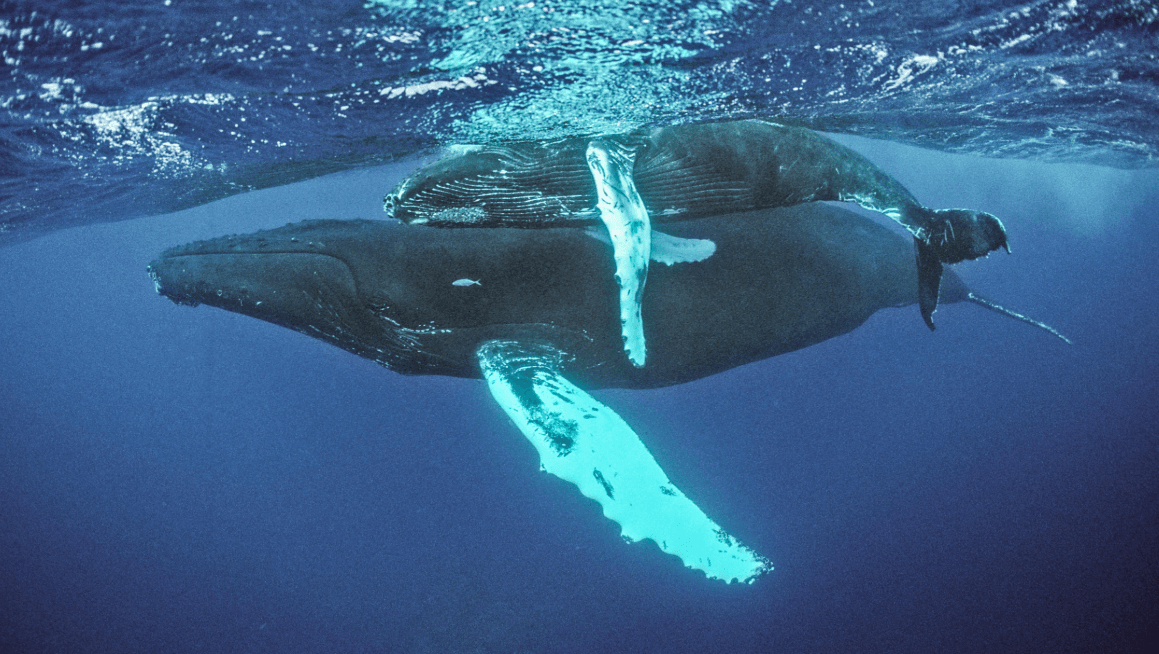
Although Samaná Bay may offer opportunities to notice other wildlife, humpback whales remain the primary reason many travelers book a seasonal excursion.
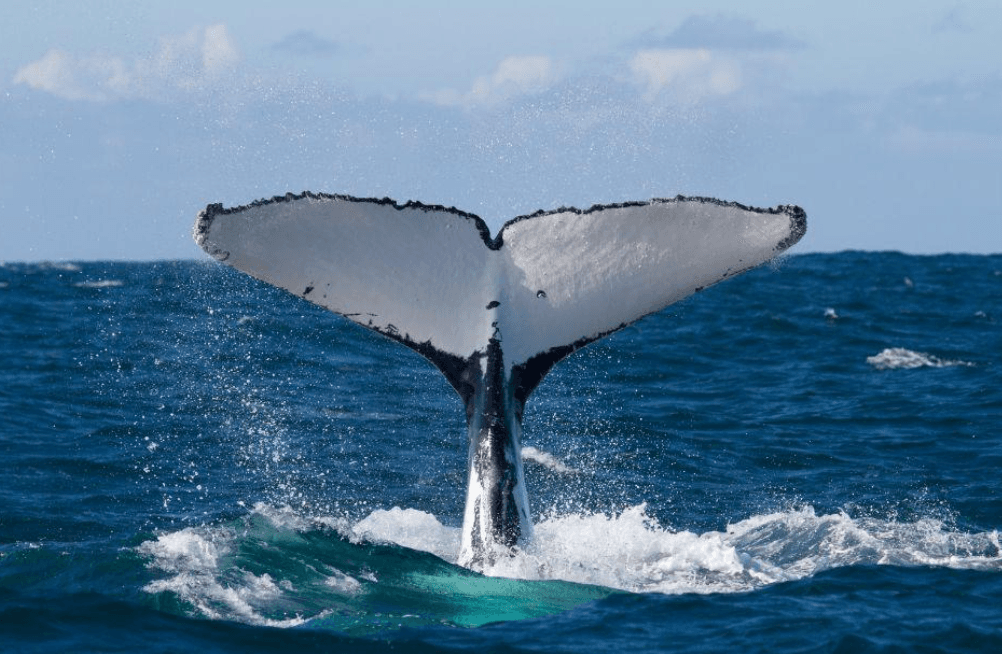
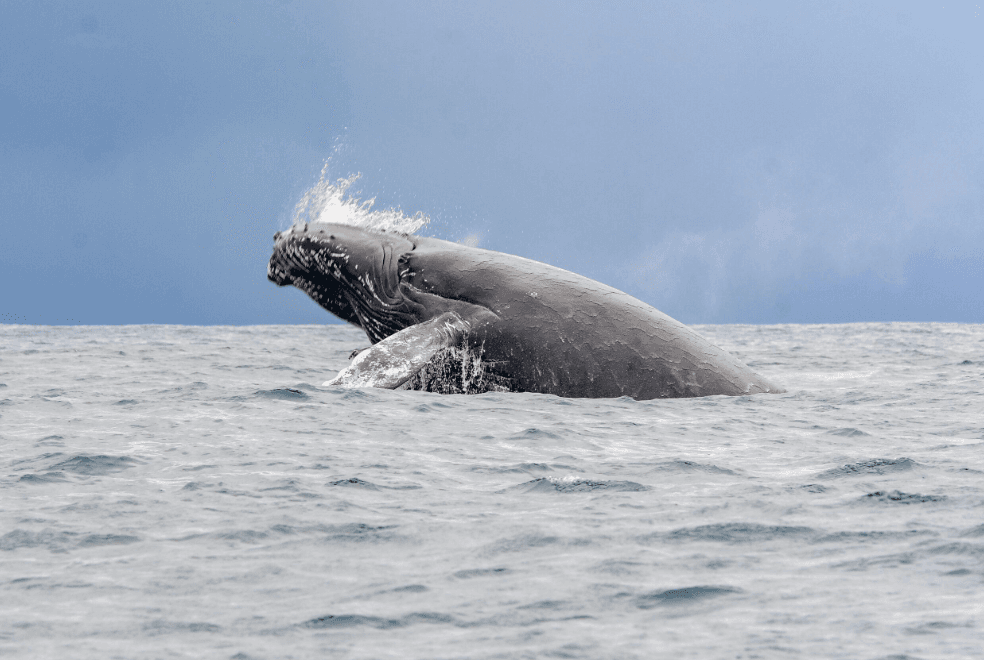
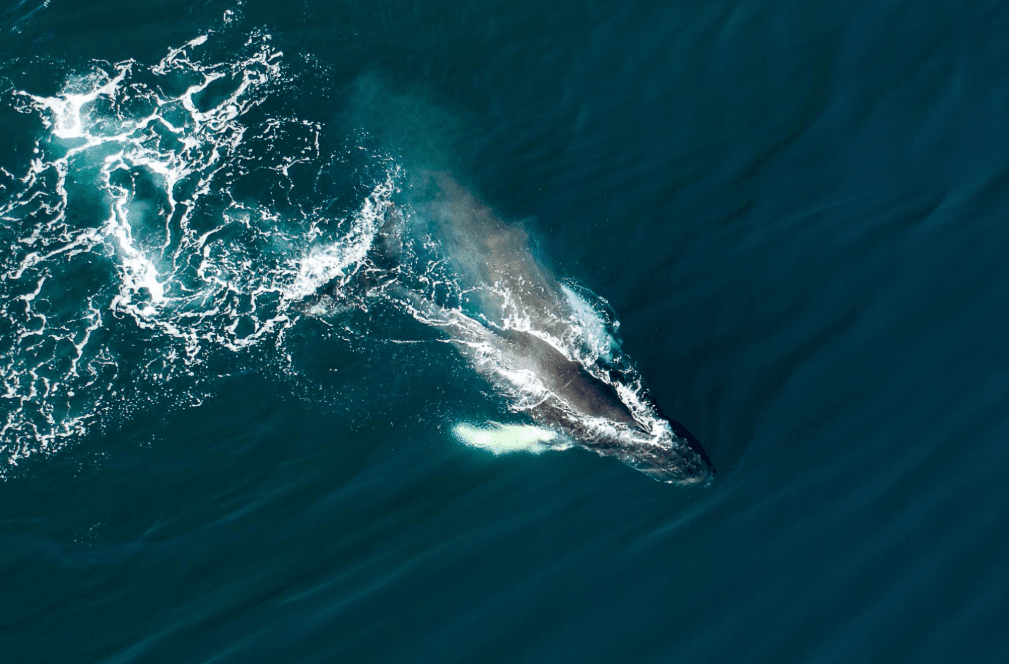
During their annual migration, humpback whales visit the warm waters of the Dominican Republic. Visitors may see a whale surface to breathe, display its tail, or perform a more dramatic behavior such as breaching.
Every trip is different. Some excursions may feature several whale sightings, while others may involve waiting between appearances. Wildlife does not follow a fixed schedule, and no responsible operator can guarantee a particular behavior.
Looking for other animals can help passengers appreciate the full marine environment while they wait, but it should complement rather than replace realistic expectations about the main purpose of the tour.
How to Improve Your Chances of Noticing Other Wildlife
You cannot control which animals appear during a wildlife excursion, but a few simple habits can help you observe more of your surroundings.
Look beyond the horizon
Watch the water near the boat as well as the distant horizon. Small fish and brief surface movements may be easier to notice nearby, while birds and larger animals may appear farther away.
Pay attention to seabirds
Birds flying, circling, or diving can be interesting to watch in their own right. Their activity may also draw your attention to movement on the water, although it does not guarantee that larger animals are present.
Listen to your guide
If your captain or guide identifies an animal, ask for its name and what makes it distinctive. A knowledgeable explanation can turn a brief sighting into a useful learning experience.
Be patient
Marine wildlife moves freely through a large environment. Some animals may appear for only a few seconds, while others may remain out of sight throughout the trip.
Use binoculars responsibly
Binoculars may help you observe distant birds or other wildlife without asking the boat to move closer. Use them only when it is safe to do so, and follow the crew's instructions while the vessel is moving.
Responsible Wildlife Watching in Samaná Bay
Wildlife observation should never come at the expense of the animals' safety. The best encounters allow visitors to appreciate nature without changing the animals' behavior.
Choose an operator that follows applicable wildlife-viewing rules and avoids unnecessary pursuit or disturbance. Do not ask the crew to chase dolphins, approach animals aggressively, or position the boat in a way that blocks their movement.
Avoid throwing food into the water to attract animals. Feeding wildlife can change natural behavior and create risks for both animals and people.
Keep rubbish secure and take everything you bring back to shore. Even small pieces of plastic or discarded packaging can contribute to marine pollution.
Finally, remember that a wildlife sighting is a privilege, not a performance. The animals are living in their natural habitat, and they may not appear when visitors expect them to.
What Should You Expect on a Wildlife-Focused Whale-Watching Trip?
A typical whale-watching excursion is organized around finding and observing humpback whales during the relevant season. The exact route, duration, and wildlife encountered vary by operator and conditions.
You may see seabirds or other marine animals along the way, but these sightings are incidental unless the operator specifically describes a broader wildlife itinerary.
Before booking, ask what the tour is designed to offer. If your main interest is marine mammals, birdwatching, or coastal ecology, this can help you choose an excursion that matches your expectations.
Do not select a tour solely because a promotional photograph shows dolphins, turtles, or several different species together. Images may illustrate the wider region rather than guarantee what you will see on a particular trip.
Frequently Asked Questions
What animals can you see besides whales in Samaná Bay?
Depending on the location and conditions, visitors may have opportunities to observe dolphins, seabirds, flying fish, and other signs of marine life. Sea turtles and additional species are possible in the wider marine environment, but sightings during a specific excursion are not guaranteed.
Can you see dolphins while whale watching in Samaná?
Dolphins may be encountered in the region, but their appearance is not guaranteed on a whale-watching tour. Ask your operator about the tour's usual focus, and remember that wildlife movements cannot be predicted precisely.
Are seabirds common during boat trips?
Seabirds are part of coastal and marine environments, and passengers may notice birds flying or feeding near the water. The species and number visible depend on the route and local conditions.
Will I see sea turtles on a Samaná whale-watching tour?
There is no guarantee of seeing sea turtles during a whale-watching excursion. If turtle observation is a priority, research a suitable dedicated wildlife experience and verify what it actually offers.
Is whale watching in Samaná only about humpback whales?
Humpback whales are the main attraction of seasonal whale-watching tours, but the surrounding marine and coastal environment can offer additional wildlife observations. Treat other sightings as a possible bonus rather than a guaranteed part of the experience.
Final Thoughts
Whale watching in Samaná offers more than the chance to see a humpback whale surface from the Caribbean Sea. The wider environment includes seabirds, fish, and other marine animals that can help visitors appreciate the region's natural diversity.
Keep your eyes open, listen to your guide, and take time to notice the surroundings. Whether you encounter dolphins, watch seabirds glide above the water, or simply enjoy the coastal scenery, the experience can provide a deeper appreciation of Samaná Bay.
Above all, remember that wildlife sightings are unpredictable. Respectful observation, realistic expectations, and responsible tour choices help protect the natural environment that makes the region special.

Local explorer & expert guide in Isla Saona Oficial.