How Can Travelers Choose a Responsible Humpback Whale-Watching Operator in Samaná?
Choosing a whale-watching excursion in Samaná, Dominican Republic, involves more than comparing prices, departure times, and boat sizes. The operator you choose can influence your safety, the quality of the information you receive, and how responsibly your encounter with humpback whales is managed.
Samaná is well known for seasonal humpback whale activity. During the breeding season, visitors may have opportunities to observe these remarkable marine mammals in their natural environment. Because whales are wild animals, every encounter is different, and responsible operators should recognize that wildlife welfare must come before passenger expectations.
But how can travelers distinguish a responsible operator from one that simply advertises an exciting trip?
The best approach is to look for clear safety procedures, respectful wildlife-viewing practices, honest booking information, knowledgeable guidance, and a willingness to answer questions. This guide explains what to look for before you reserve a whale-watching excursion.
Why Does Your Choice of Whale-Watching Operator Matter?
A whale-watching operator does more than transport passengers across the water. Its decisions affect how an encounter unfolds, how passengers behave around wildlife, and how clearly the crew communicates safety instructions.
A responsible operator should understand that whales need space to move, surface, dive, and behave naturally. The crew should also be prepared to adapt to changing conditions instead of prioritizing close photographs or dramatic encounters.
Choosing carefully can benefit travelers in several ways:
- You understand the trip arrangements before paying.
- You receive clear safety instructions.
- You know what services are included.
- You are less likely to be misled by unrealistic wildlife promises.
- You support a tourism approach that respects marine animals.
No single advertisement or online review can prove every aspect of an operator's performance. Instead, evaluate several indicators together and ask questions whenever important information is missing.
1. Look for Responsible Wildlife-Viewing Practices
The first consideration should be how the operator approaches humpback whales.
Responsible wildlife viewing requires more than spotting an animal. The crew should operate in accordance with applicable laws, regulations, and local whale-watching guidance. Vessel behavior should take account of the animals' movements and avoid unnecessary disturbance.
Before booking, look for information about the operator's wildlife-viewing procedures. If the website does not explain them, ask how the crew handles sightings and what happens when whales change direction or dive.
A responsible operator should not encourage passengers to touch, feed, pursue, or otherwise interfere with wild whales. It should also avoid treating a whale's natural behavior as something that can be commanded for visitors.
Be cautious if an advertisement focuses entirely on getting extremely close to whales or promises dramatic encounters regardless of conditions.
A better sign is an operator that explains the importance of maintaining appropriate distances, following viewing rules, and allowing whales to move freely.
2. Check the Safety Arrangements
Safety should be a basic requirement, not an optional extra.
Before making a reservation, look for clear information about the vessel, passenger arrangements, and the operator's safety procedures. Ask what safety equipment is available and how passengers will receive instructions before departure.
Useful questions include:
- Are appropriate life jackets available for every passenger?
- What safety briefing is provided before departure?
- How does the crew communicate instructions during the trip?
- Are there age or health-related restrictions passengers should know about?
- What happens if weather or sea conditions become unsuitable?
- Is boarding appropriate for passengers with mobility limitations?
The answers should be clear and consistent with the excursion being offered.
Do not assume that a large vessel is automatically safer or that a small boat is automatically unsuitable. The relevant considerations include the vessel's condition, capacity, operating arrangements, crew competence, and suitability for the planned excursion.
If essential safety information is unavailable, ask the operator directly before paying.
3. Evaluate the Guide's Knowledge
A knowledgeable guide can make a whale-watching trip more meaningful by explaining what passengers are seeing.
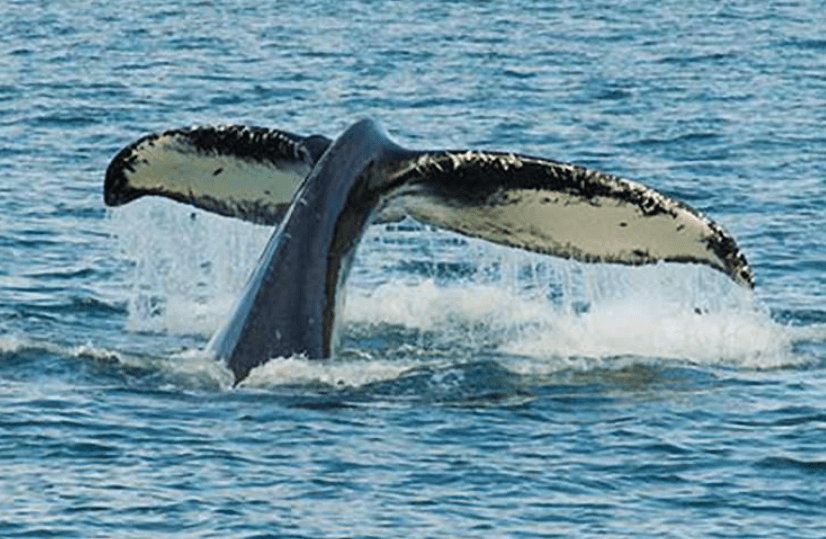
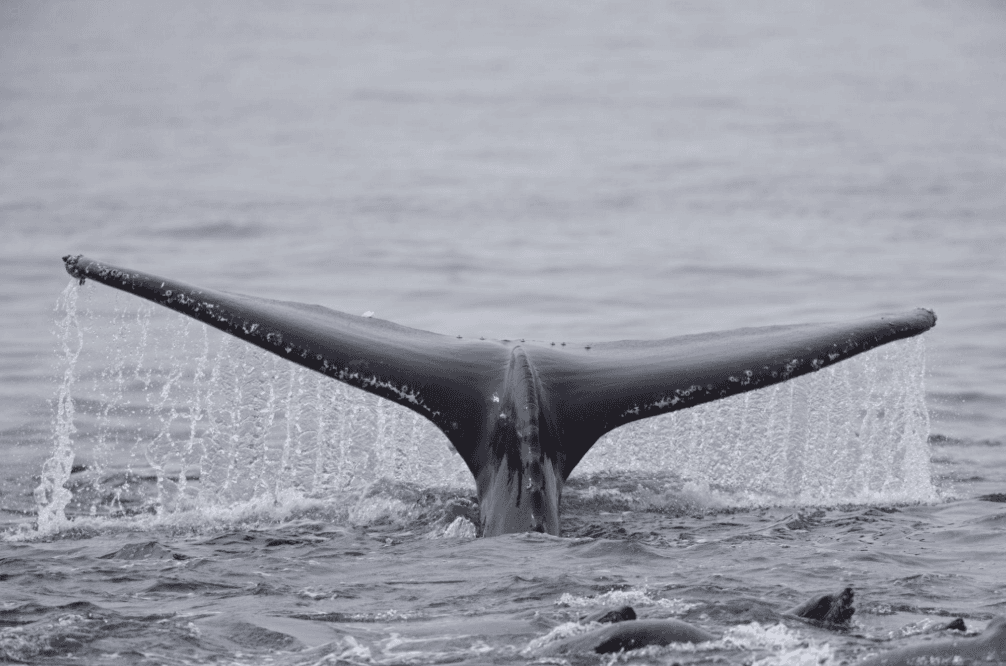
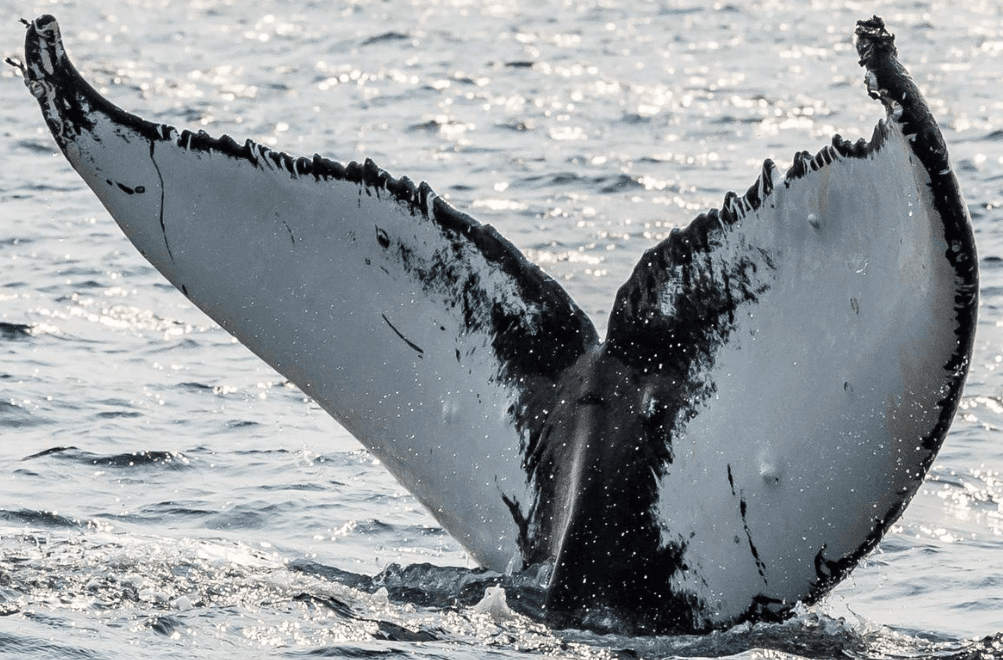
Humpback whales may surface to breathe, travel along the surface, dive, lift their tail flukes, or display other behaviors. A guide who can explain these observations helps passengers appreciate the encounter without exaggerating what it means.
For example, a whale disappearing underwater does not automatically mean the animal has left the area. A guide can explain that whales routinely submerge while moving through the water and that their next surfacing location may be difficult to predict.
When reviewing an excursion, check whether educational commentary is included. If learning about marine wildlife is important to you, ask who provides the information and what topics the trip covers.
A formal qualification or certification can be useful when independently verified, but avoid assuming that a particular credential exists simply because an operator uses words such as "expert" or "specialist."
The important questions are whether the information is accurate, whether claims are supported, and whether the guide communicates honestly when something is uncertain.
4. Be Careful With Guaranteed Whale Sightings
Humpback whales are wild animals. Their movements, surfacing times, and behaviors cannot be scheduled to match a tour timetable.
An operator may have experience working in the area, but that does not mean it can guarantee a particular number of whales, a breach, a tail display, or a close encounter.
Be cautious of advertising that promises specific animal behaviors or implies that every passenger will receive the same experience.
Instead, look for realistic descriptions that explain the seasonal nature of whale watching and acknowledge that sightings can vary.
If a sighting guarantee is advertised, read the terms carefully. Find out exactly what the guarantee means, whether it offers a return trip or another remedy, and what conditions apply.
Do not assume that a guarantee automatically means a refund. The written policy should explain the actual arrangement.
An honest operator can communicate confidence in its experience while still recognizing the uncertainty involved in wildlife observation.
5. Read the Booking Terms Before Paying
Transparent booking information is another important indicator of professionalism.
Before reserving a trip, confirm the details that directly affect your plans. The booking page or operator should make it reasonably clear what you are purchasing.
Review the following:
Price and payment: Check whether the advertised amount is per passenger or for a private group. Confirm any taxes, deposits, additional charges, and accepted payment methods.
Departure location: Verify the exact meeting point and whether transportation from your accommodation is included.
Duration: Check the expected length of the excursion and whether the stated duration includes travel to and from the departure area.
Inclusions: Confirm whether refreshments, guides, equipment, transfers, or other services are part of the package.
Cancellation policy: Understand the conditions for cancellation, rescheduling, and refunds.
Weather arrangements: Ask what happens if the operator determines that conditions are unsuitable for departure.
Contact information: Make sure you have a reliable way to contact the operator before the trip.
A low advertised price may not represent the best value if important services cost extra or the terms are unclear. Compare the complete offer rather than looking at the headline price alone.
6. Investigate Reviews Without Relying on Star Ratings Alone
Online reviews can provide useful clues about an operator's performance, but they should be interpreted carefully.
A high average rating does not necessarily tell you whether an operator follows responsible wildlife-viewing practices. Likewise, a single negative review may not represent the entire service.
Look for patterns across multiple recent reviews. Pay attention to comments about:
- Whether the trip matched the advertised description.
- The clarity of communication before departure.
- Passenger safety and crew instructions.
- The guide's knowledge and attitude.
- How the operator handled delays or weather changes.
- Whether cancellation and refund terms were explained clearly.
Be particularly interested in specific descriptions rather than vague praise. A detailed account of how a crew handled a change in conditions may be more informative than a review that simply says the trip was amazing.
Read negative reviews thoughtfully as well. Look for recurring concerns and check whether the operator has responded constructively.
Reviews are one part of your assessment, not proof of legal compliance or environmental responsibility.
7. Check Claims About Sustainability and Certification
Some travel businesses use terms such as "eco-friendly," "sustainable," or "responsible" to describe their excursions.
These labels can be meaningful when backed by clear practices, but the words alone do not establish that an operator follows a particular standard.
If a business advertises a certification, award, or environmental partnership, check whether the claim can be independently verified. Find out what the certification covers, whether it is current, and which organization issued it.
You can also ask practical questions about waste management, wildlife-viewing procedures, passenger education, and staff training.
For example, an operator that explains how it handles rubbish and avoids unnecessary disturbance provides more useful information than one that relies only on broad environmental slogans.
Do not assume that every responsible operator has a formal sustainability certification. Equally, do not treat an unverified certification claim as proof of good practice.
Evaluate the evidence available and make a balanced decision.
8. Find Out How the Operator Handles Difficult Conditions
A responsible operator should recognize that sea conditions and wildlife activity can change.
Wind, waves, visibility, and other factors may affect the safety and comfort of a boat trip. The crew may need to change an itinerary, delay departure, or cancel an excursion.
Ask how these decisions are made and how passengers are informed.
A professional response should prioritize safety and explain the relevant booking terms. An operator should not pressure the crew to continue an unsuitable trip simply because passengers have paid.
You can also ask how the crew behaves when a whale moves away, remains underwater, or appears in an area where viewing is difficult.
A responsible operator understands that a wildlife encounter cannot always be controlled. It should not pursue an animal recklessly simply to satisfy passengers who want a closer photograph.
9. Consider Group Management and Passenger Education
The way passengers are managed can reveal a great deal about an excursion.
Before booking, find out how the operator organizes boarding, communicates safety instructions, and helps passengers observe whales without creating unnecessary risks.
A well-managed trip should give passengers clear guidance about where to sit, when they may move around, and how to follow instructions during a sighting.
The operator should also communicate expectations about respectful behavior. Passengers should not be encouraged to shout at, touch, feed, or attempt to attract wild whales.
If you are traveling with children, ask about age requirements and child-specific safety arrangements. If someone in your group has mobility needs, confirm whether boarding and facilities are suitable.
These practical details are important because an enjoyable excursion depends not only on wildlife sightings but also on how safely and thoughtfully the trip is organized.
10. Choose an Operator That Respects the Natural Experience
Some travelers expect whale watching to resemble a wildlife show, with repeated dramatic displays and close photographs. In reality, nature does not follow a script.
A humpback whale may surface briefly and disappear. Another may travel quietly along the water. Some encounters may offer several visible behaviors, while others may be shorter or more distant.
A responsible operator helps passengers understand this uncertainty rather than promising an artificial experience.
The crew should not treat the whale as a performance or encourage behavior that could disturb the animal.
As a visitor, you can contribute by listening to the guide, keeping rubbish secure, respecting safety instructions, and accepting that some of the best wildlife encounters happen when people remain patient and give animals space.
Choosing an operator with this attitude supports a more respectful relationship between tourism and the marine environment.
11. Questions to Ask Before Booking a Whale-Watching Tour in Samaná
If the information on a booking page is incomplete, contact the operator and ask direct questions.
Here is a practical checklist:
- What wildlife-viewing procedures does your crew follow?
- What safety equipment and passenger briefing are provided?
- What is included in the advertised price?
- What is the expected trip duration?
- Where exactly do passengers meet?
- How do you handle unsuitable weather or sea conditions?
- What happens if no whales are sighted?
- Is a guide or educational commentary included?
- Are there restrictions for children or passengers with mobility needs?
- Can you explain any sustainability certification or responsible-tourism claim you advertise?
You do not necessarily need a lengthy conversation before every booking. The aim is to resolve the questions that matter to your group and make sure the offer is clear.
A reliable operator should be willing to explain its arrangements without making unrealistic promises.
12. A Simple Method for Comparing Operators
When you have shortlisted several excursions, compare them using the same criteria.
You can create a simple table with the operator's name and the following categories:
Evaluation areaWhat to look forWildlife responsibilityClear viewing procedures and respect for applicable rulesSafetySuitable equipment, clear briefings, and sensible operating practicesInformation qualityAccurate descriptions and knowledgeable guidanceBooking transparencyClear prices, inclusions, meeting points, and termsWeather policyExplained cancellation and rescheduling arrangementsReputationConsistent, specific feedback from multiple sourcesEnvironmental claimsVerifiable details rather than unsupported slogansSuitabilityAppropriate arrangements for your group and needs
Record what you can verify, and mark missing information as something to follow up on rather than assuming the operator meets the standard.
You do not have to select the cheapest or most expensive excursion. Choose the operator whose arrangements, communication, and responsible practices best fit your priorities.
13. Why Responsible Whale Watching Matters in Samaná
Samaná's appeal is closely connected to its marine environment and seasonal humpback whale activity. Wildlife tourism gives visitors an opportunity to learn about these animals while experiencing the region's natural surroundings.
However, tourism should be managed with care. Vessels, passenger behavior, and repeated approaches can affect the conditions in which whales are observed.
Responsible whale watching aims to make wildlife encounters possible while respecting animal welfare, applicable regulations, and passenger safety.
Travelers contribute to this approach when they ask informed questions, reject unrealistic promises, and choose operators that take wildlife protection seriously.
No individual booking can solve every environmental challenge, and an operator's marketing claims should not be accepted without thought. Still, careful choices can encourage greater transparency and responsible conduct within the tourism sector.
Frequently Asked Questions
What makes a whale-watching operator responsible?
Look for clear wildlife-viewing procedures, appropriate safety arrangements, accurate information, transparent booking terms, and respect for applicable rules. No single advertising claim proves that an operator is responsible.
How can I check whether a whale-watching company is trustworthy?
Review its booking terms, contact information, recent customer feedback, safety information, and explanations of wildlife-viewing practices. Confirm important claims directly with the operator.
Should I avoid an operator that guarantees whale sightings?
Treat guarantees carefully rather than assuming they are automatically misleading. Read the written terms to understand exactly what is promised and what remedy, if any, is available. A particular behavior or close encounter cannot be controlled.
Are eco-friendly whale-watching tours always better?
Not necessarily. Environmental labels can mean different things. Ask what practical measures the operator follows and independently verify any certification it advertises.
Is a more expensive tour more responsible?
Price alone does not prove quality, safety, or environmental responsibility. Compare the actual arrangements, included services, and evidence of responsible practices.
What should I do if the operator does not answer my questions?
If essential information about safety, price, meeting arrangements, or cancellation terms remains unclear, consider another provider that communicates more transparently.
Can I ask the captain to approach whales more closely?
You can ask questions about the viewing policy, but the captain must follow applicable rules and make decisions that prioritize safety and animal welfare. A request for a closer view should never override those responsibilities.
Is it important to read reviews about wildlife encounters?
Yes, but use reviews as one source of information. Look for repeated, specific feedback about crew behavior, communication, and trip management rather than judging a business solely by the number of whales customers report seeing.
When should I book a whale-watching excursion in Samaná?
The region is known for seasonal humpback whale activity during the North Atlantic breeding season. Confirm current operating dates, availability, and conditions with the specific operator before booking.
Conclusion
Choosing a responsible humpback whale-watching operator in Samaná starts with asking the right questions.
Look beyond attractive photographs and headline prices. Review the operator's wildlife-viewing procedures, safety arrangements, guide information, booking terms, and response to changing conditions. Treat environmental certifications and customer reviews as evidence to examine rather than automatic proof.
Above all, remember that humpback whales are wild animals. No operator can promise every visitor a dramatic display, a particular number of sightings, or an exact encounter.
A well-chosen excursion should offer clear communication, appropriate safety arrangements, realistic expectations, and respect for marine wildlife. By making an informed booking decision, you can enjoy Samaná's whale-watching opportunities while supporting a more responsible approach to wildlife tourism.

Local explorer & expert guide in Isla Saona Oficial.